
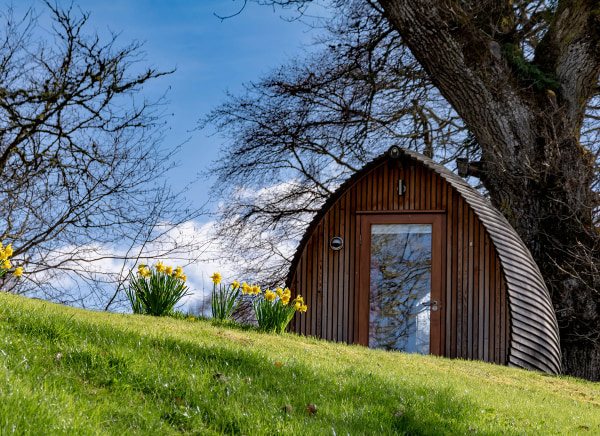
Agritourism is already on the up in Scotland – a valuable opportunity for farms, crofts, and working estates. And Scotland's bracing weather could be part of the appeal.
If the weather is gloomy where you are, there's an upside to low temperatures and grey skies: the 'coolcation' trend.
This summer, as Europe and southern Britain endured heatwaves and drought, travellers started seeking cooler destinations and more comfortable climates. For Scotland's farmers and rural sector, there's an excellent opportunity to promote agritourism.
A sector with momentum
One of the fastest-growing sectors in tourism and the rural economy, agritourism is flourishing in Scotland. When some of our Rural – Land and Business team attended the first Global Agritourism conference in Aberdeen this summer, the energy and ideas on display were impressive.
This dynamism is also evident when we talk to our farming and crofting clients, who have introduced activities from glamping to farm shops to pumpkin patches.
According to 2025 figures from Scottish Agritourism:
- There were 2.5 million day visitors for agritourism and farm retail in Scotland.
- Around 200,000 visitors stayed overnight on a Scottish farm.
- 888 farms and crofts were involved actively in agritourism.
If you're not already offering agritourism activities, that's plenty of food for thought.
Key questions for farmers and crofters
Naturally, agritourism comes with obligations as well as commercial opportunity. Before launching into coolcation ideas, we recommend advice on a number of legal considerations, such as:
- If you're a tenant, what landlord consents or other processes are needed to allow agritourism activities?
- Will you need planning permission to erect, extend, or improve any buildings?
- Will there be other regulatory / legal requirements? These could range from environmental health standards to a licence to sell alcohol.
- Are there legal or practical considerations around access?
Help with the realities
To answer these and other questions, you need advice from lawyers who understand not just the legal aspects of running an agritourism business but also the day-to-day realities.
Even so, the benefits of agritourism and coolcation demand could be significant, offering a bright spot on the horizon on a dreich winter day in the countryside.
As part of Lindsays' wide-ranging support for agritourism and the rural sector in Scotland, Linda Tinson has recently joined the Board of Scottish Agritourism.
Did you know?
- Even before the summer's record-breaking high temperatures, visitor numbers to northern Europe were up 10% in April–June 2026 compared to last year (European Travel Commission figures).
- Online searches for cooler holiday destinations have soared over the past two years.
Agritourism: what it is and what it offers
Agritourism in Scotland means tourism or leisure on a working farm, estate, or croft that is producing food or fibre. In practice, it can involve a wide range of activities from accommodation and farm shops to weddings, farm tours, and fly fishing.
Through such activities, you can boost and diversify your income year-round, provide opportunities for different generations to work on your farm, and help to build interest in Scottish food and drink produce.


