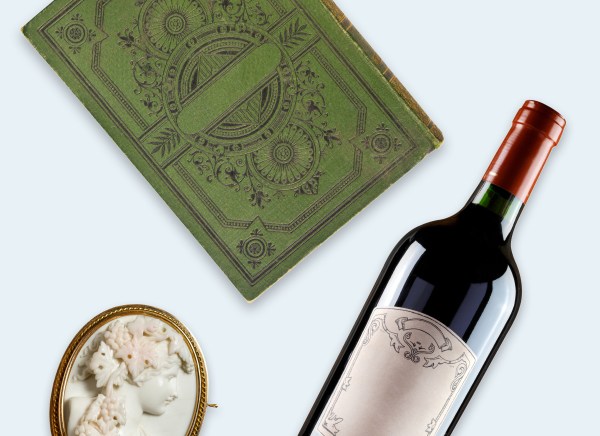
...or the whisky. Or maybe the art and the cars. How are unusual assets and alternative investments treated in a split?
If you divorce in Scotland, one of the fundamental principles of negotiating a financial settlement is that the net value of your matrimonial property should be shared fairly between you and your ex.
It's a simple-sounding statement, but in reality it's not simple at all. There are multiple legal complexities lurking within it, including how to establish the value of your assets.
This challenge becomes especially complex when your assets include non-traditional categories such as crypto, art, antiques, wine, whisky, or other collectables. Unlike savings or traditional investments, you can't just look up their value on a certain date.
Key questions in any split
In many respects, the approach to sharing a whisky collection or crypto empire is the same as for your other assets. Considerations include:
Do the assets count as matrimonial property?
If your spouse owned their art collection before you married, or inherited it afterwards, it's unlikely to be included in the matrimonial pot. However, the lines between pre-matrimonial and matrimonial assets are often blurred.
When did you separate?
In Scottish divorces, the day you separate is known as the 'relevant date' for calculating the scope and value of matrimonial property owned in the name of one spouse. However, many separations are fluid. When assets or their value change over time, the relevant date often matters greatly, and a good solicitor can protect your interests.
What does fair mean?
In Scotland, the law starts from the presumption that sharing the assets 'fairly' means each spouse getting an equal share, but it's not a rigid rule. Your assets could be shared in different proportions if the circumstances justify it.
Alternative angles
The questions above apply whether your matrimonial assets simply comprise your home and some savings or a complex mix of property, offshore assets, businesses, crypto, and rare whisky. But with non-traditional assets, there may be additional layers of challenge:
- Assets such as art are only worth what someone is ready to pay for them, and this is affected by fashion or even luck. It may be hard for you to establish their value accurately.
- One spouse may not be fully transparent about the value of their collections or even the fact they own them. Assets such as whisky casks, crypto, or offshore investments may be hard to trace.
- How do you factor in the sentimental value of a collection, or the fact it may lose value if split up?
To deal with these points, you'll want a solicitor who is not only experienced but resourceful. As well as guiding you on the scope of the matrimonial pot or the date of separation, they'll have expert contacts who can help value or track down unusual assets.
As with any separation and divorce, the priority should be to work out a division of assets that suits everyone – with each of you keeping the items you love while also having the means to support yourselves. At Lindsays, we use a range of approaches – expert advice from valuers and forensic accountants, negotiation, or collaborative law – to look after your interests.
The priority should be to work out a division of assets that suits everyone.