
insights
Do I need a Will in Scotland? Three reasons to make one
A Will gives you greater control over what happens to your estate. Without one, your loved ones could face extra delay, cost and uncertainty
With Scotland’s legal landscape constantly evolving, we believe in keeping you up to date with the latest legal developments, insights, and firm news that may affect you, your family, or your business.
A Will gives you greater control over what happens to your estate. Without one, your loved ones could face extra delay, cost and uncertainty
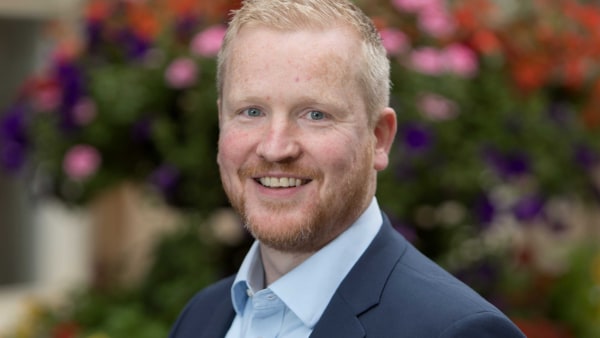
What employers need to know ahead of the latest workplace reforms

Considering buying forestry in Scotland? There are legal, practical, tax and access issues landowners should explore before investing in woodland

New damp and mould rules are now in force in Scotland – private landlords need to be aware of the key deadlines and practical steps to follow

Handling an executry yourself can bring significant legal, financial and tax risks — here’s what to consider before going it alone
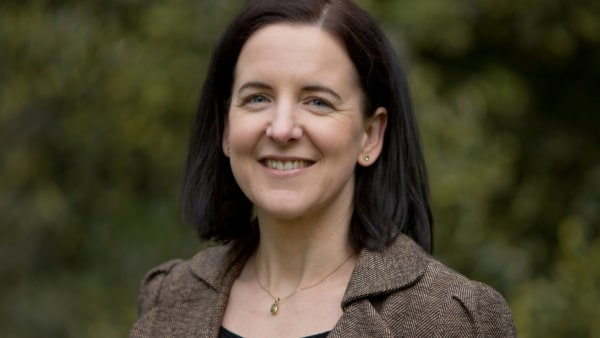
Lorna McKay considers whether greater financial support could help the next generation take on agricultural tenancies and build sustainable farming businesses

Generous support from clients is helping SAMH provide vital mental health services to people across Scotland
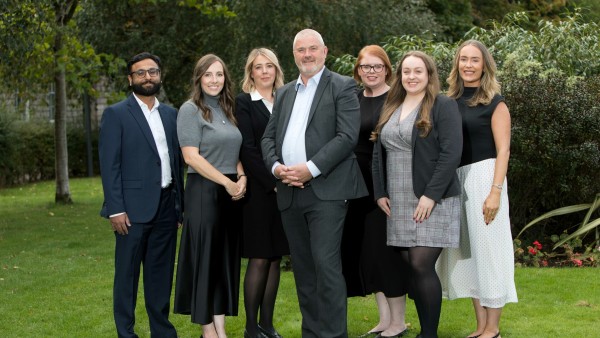
Six colleagues across our Glasgow, Dundee and Perth offices have been promoted, reflecting our continued commitment to helping talented people build their careers at Lindsays.

A Will gives you greater control over what happens to your estate. Without one, your loved ones could face extra delay, cost and uncertainty
Read article
What employers need to know ahead of the latest workplace reforms
Read article
Considering buying forestry in Scotland? There are legal, practical, tax and access issues landowners should explore before investing in woodland
Read article
New damp and mould rules are now in force in Scotland – private landlords need to be aware of the key deadlines and practical steps to follow
Read article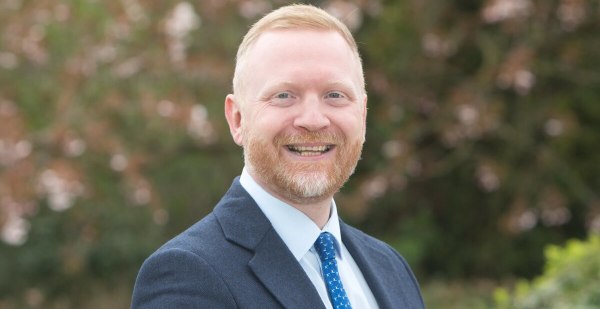
Handling an executry yourself can bring significant legal, financial and tax risks — here’s what to consider before going it alone
Read article
A guide to balancing effective fundraising with good governance
Read article
Lorna McKay considers whether greater financial support could help the next generation take on agricultural tenancies and build sustainable farming businesses
Read article
Generous support from clients is helping SAMH provide vital mental health services to people across Scotland
Read article
Six colleagues across our Glasgow, Dundee and Perth offices have been promoted, reflecting our continued commitment to helping talented people build their careers at Lindsays.
Read articleFrom our inclusive culture to our collaborative way of working, we always strive to make life at Lindsays interesting and empowering – both at the desk and beyond it.
Learn moreFor over 200 years, we’ve been helping individuals, families, businesses, and charities navigate life’s moments with confidence and trust.
Learn more